The Future of Customer Engagement: AI-Driven CEM
Content

Why CRM is No Longer Enough: The Future Lies in AI-Driven Customer Engagement Management (CEM)
In today’s fast-paced digital landscape, businesses are finding that traditional Customer Relationship Management (CRM) systems no longer suffice in delivering the personalized and engaging experiences customers demand. Enter Customer Engagement Management (CEM) powered by WhatsApp Marketing">Artificial Intelligence (AI), a revolutionary approach that not only manages customer data but actively enhances customer interaction and satisfaction. As companies seek to stay ahead, understanding the shift from CRM to CEM is crucial for maintaining a competitive edge.
From CRM to CEM: A New Era of Customer Interaction
The evolution from CRM to CEM represents a shift from merely storing customer data to actively improving customer relationships through intelligent engagement strategies. While CRM systems are invaluable for tracking interactions and managing sales pipelines, they fall short in creating dynamic, real-time customer interactions. This is where AI-driven CEM steps in, offering capabilities such as predictive analytics, personalized communication, and automated responses that adapt to customer needs.
Practical Examples of AI-Driven CEM
Imagine a scenario where an AI system analyzes customer purchase history and behavior to predict future purchases, enabling businesses to tailor their marketing efforts with precision. This level of personalization not only boosts sales but significantly enhances the overall customer experience.
WhatsApp Business API: Revolutionizing Customer Engagement
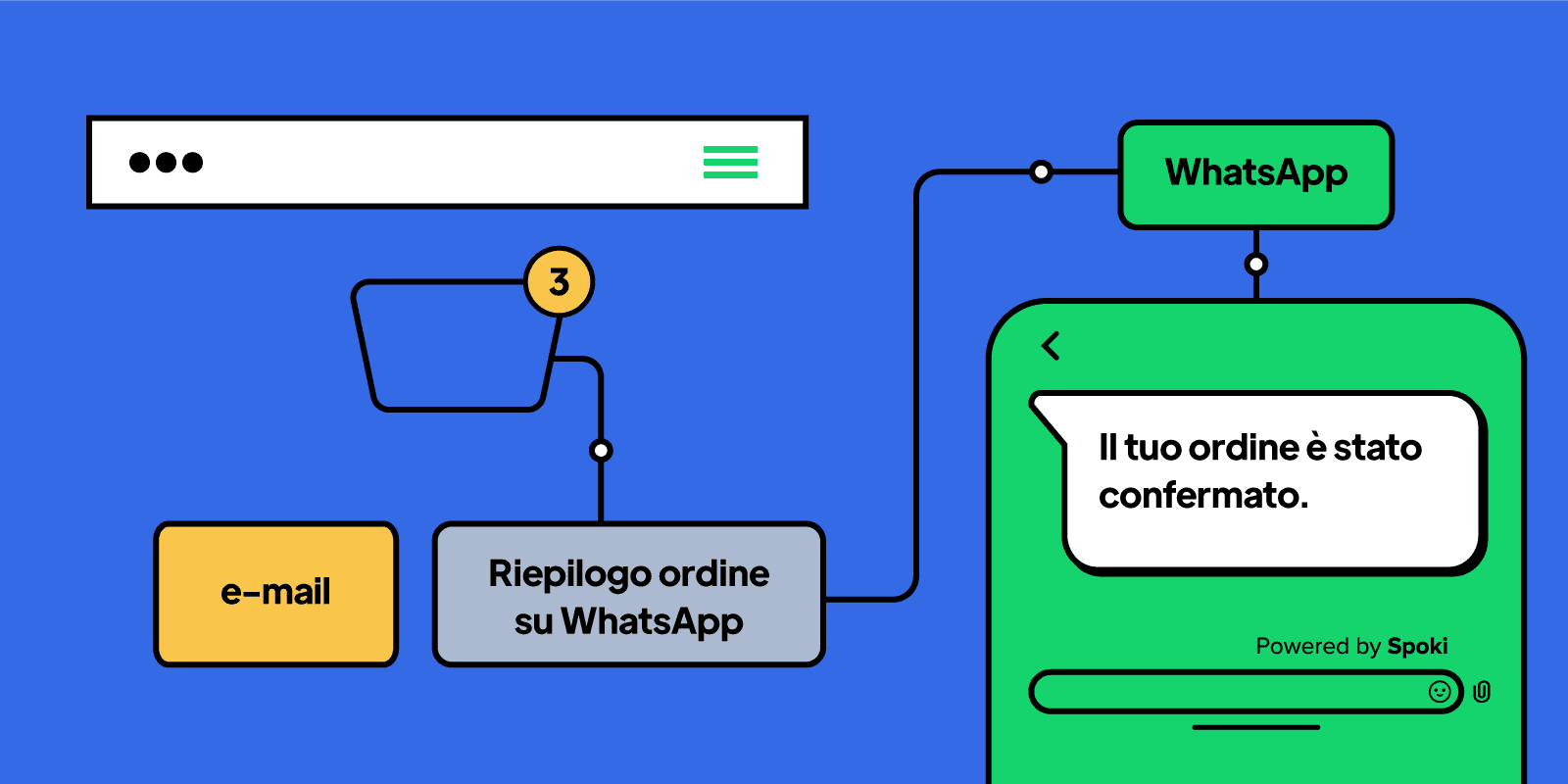
WhatsApp automation plays a pivotal role in AI-driven CEM by enabling seamless business communication and enhancing workflow efficiency. With the WhatsApp Business API, companies can leverage chatbots for automated messaging, ensuring customers receive timely responses anytime they reach out. For example, an e-commerce company can automate order confirmations and delivery updates via WhatsApp, keeping customers informed without manual intervention.
Through these automated interactions, businesses save time while increasing customer satisfaction—a win-win situation that traditional CRM systems struggle to achieve.
Use Cases of WhatsApp Automation
Consider a retail chain using WhatsApp automation to send personalized product recommendations based on past purchases. By integrating these suggestions into their sales strategy, they observe a notable increase in conversion rates as customers feel understood and valued.
Another compelling use case involves service-based industries like travel agencies utilizing chatbots on WhatsApp to handle common inquiries such as itinerary changes or booking confirmations. This not only frees up human resources for more complex tasks but also ensures customers receive prompt service around the clock.
The Spoki Advantage: Transform Your Customer Management with AI
At Spoki, we understand the transformative power of AI-driven CEM and how it can revolutionize your business operations. Our solutions comply with WhatsApp Business API terms and prioritize opt-in messaging to ensure a customer-first approach that builds trust and fosters long-lasting relationships.
Discover more about our Academy resources, explore our comprehensive WhatsApp API documentation, or learn how to integrate CRM systems effectively.
If you’re ready to elevate your customer engagement strategy with cutting-edge technology, see how Spoki can transform your approach with AI-driven solutions.